West Village Real Estate Search
Address Search
West Village Neighborhood Guide
The West Village is distinguished by its historic architecture, tree-lined streets and a street pattern that feels markedly different from Manhattan’s familiar grid. Townhouses, intimate apartment buildings, converted industrial properties and a limited collection of condominiums create a residential market with considerable variety—and relatively little interchangeable inventory.
The neighborhood extends from the central portion of Greenwich Village toward the Hudson River. Its precise boundaries can vary depending on the source, but the West Village is generally associated with the area west of Sixth Avenue between approximately 14th Street and Houston Street.
West Village Homes and Architecture
The West Village is especially known for its 19th-century townhouses and low-rise residential streets. Federal, Greek Revival, Italianate and later architectural styles appear throughout the neighborhood, often alongside small apartment buildings and former commercial properties.
Many West Village apartments are located in co-ops created from older walk-ups or converted townhouses. These homes may offer fireplaces, exposed brick, original detailing or unusually shaped layouts, but they may also have stairs, limited storage and fewer building amenities.
Larger elevator buildings and full-service properties exist, although they represent a smaller portion of the neighborhood’s housing. Condominiums are comparatively limited and can command substantial premiums, particularly when they combine modern construction with the West Village’s historic setting.
Townhouses form another specialized segment of the market. Buyers considering an entire townhouse should evaluate the property’s legal use, structural condition, mechanical systems, landmark restrictions and renovation history in addition to its cosmetic appearance.
A Distinctive Manhattan Street Plan
The West Village’s streets predate Manhattan’s later grid plan. Streets intersect at unexpected angles, change names, curve or end abruptly. This creates intimate blocks and unusual views but can make the neighborhood surprisingly difficult to navigate.
The same street pattern also means that an apartment’s immediate surroundings matter greatly. A building close to restaurants and active commercial corridors may have a very different atmosphere from one only a few blocks away on a predominantly residential street.
Buyers should spend time on the exact block at different times of day rather than relying solely on a general impression of the West Village.
Co-ops, Condominiums and Townhouses
Co-ops account for a significant portion of West Village apartment inventory. They may offer opportunities at lower purchase prices than comparable condominiums, but buyers should closely examine the building’s finances and policies.
A co-op purchase may involve financial requirements, post-closing liquidity standards, board approval and restrictions concerning subletting, pied-à-terre ownership, guarantors, gifting and renovations.
Condominiums usually provide greater ownership flexibility, but the limited supply of West Village condos can result in higher prices. Newer condominiums may offer elevators, staffing and amenities that are difficult to find in the neighborhood’s older housing stock.
Townhouse and small-building purchases require another level of due diligence. Certificate-of-occupancy issues, lot-line windows, landmark regulations, structural conditions and prior alterations can materially affect how a property may be used or renovated.
Historic Character and Renovation Considerations
Much of the West Village lies within protected historic districts. Landmark designation helps preserve the neighborhood’s architecture, but it can also affect exterior alterations, window replacement, rooftop additions and other renovation plans.
Older buildings may contain charming details that are difficult to reproduce, but buyers should balance aesthetics against practical considerations. Plumbing, electrical capacity, heating systems, elevator access, sound transmission and building maintenance all deserve careful review.
In smaller co-ops, individual shareholders may also carry more responsibility for building governance and future capital projects. The maintenance figure alone does not reveal the complete financial picture.
Dining, Culture and Daily Activity
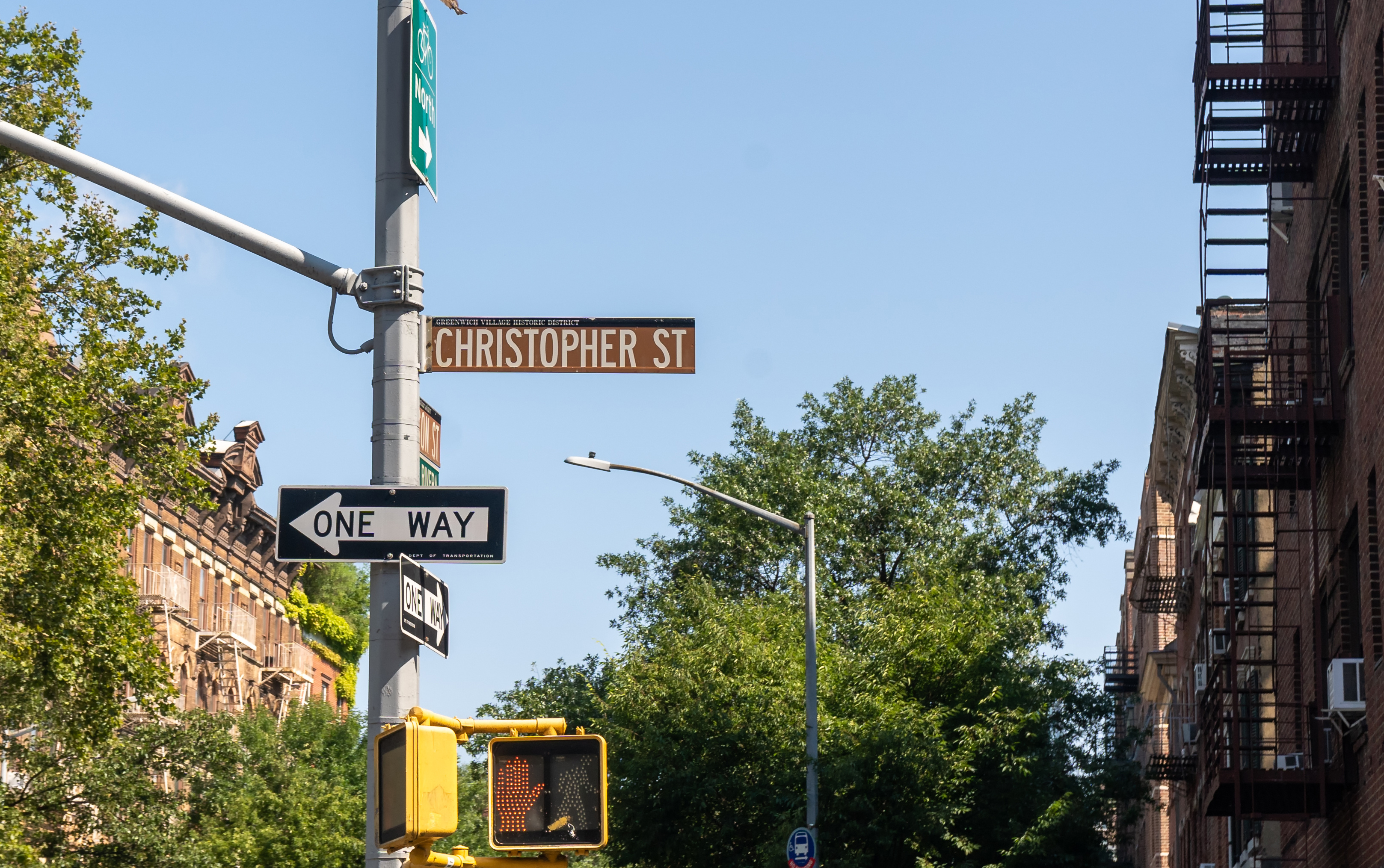
The West Village contains a dense collection of restaurants, cafés, shops, music venues and historic destinations. Commercial activity is concentrated along corridors including Bleecker Street, Hudson Street, Seventh Avenue South and portions of Christopher Street.
This variety gives buyers access to extensive neighborhood amenities, but proximity matters. An apartment above or beside a busy restaurant can provide convenience while also presenting potential concerns involving noise, deliveries, ventilation or late-night activity.
The best approach is to evaluate the apartment, building and immediate block as a single package.
Parks and the Hudson River
Hudson River Park runs along the western edge of the neighborhood and provides waterfront paths, piers and recreational spaces. Smaller neighborhood spaces and gardens are distributed throughout the West Village, while Washington Square Park lies to the east in Greenwich Village.
Waterfront proximity can be a major attraction, particularly for buyers who value walking, cycling or open views. Properties near the river may also be farther from certain subway stations, so buyers should compare access to outdoor space with their transportation needs.

Transportation and Location
The West Village is served by subway stations along Seventh Avenue, Eighth Avenue and the eastern side of Greenwich Village. PATH service also provides connections between the neighborhood and New Jersey.
Because subway access is not distributed evenly, the practical commute from a western apartment can differ significantly from one closer to Sixth or Seventh Avenue. The neighborhood’s irregular streets can also make walking routes less direct than they appear on a map.
Before purchasing, walk the actual route between the building and the stations or destinations you expect to use regularly.
What West Village Buyers Should Compare
Beyond asking price and apartment condition, buyers should examine:
- Co-op, condominium or townhouse ownership
- Monthly maintenance or common charges
- Current and anticipated assessments
- Building reserves and capital-project history
- Co-op board and sublet policies
- Pied-à-terre, guarantor and gifting rules
- Landmark and renovation restrictions
- Elevator and laundry access
- Apartment stairs and building accessibility
- Restaurant, nightlife and street noise
- Light, exposures and lot-line windows
- Flood-risk and insurance considerations near the waterfront
- Relevant closed sales within the building and immediate area
West Village properties can be difficult to compare directly. Differences in building type, floor level, condition, light, outdoor space and monthly costs may be more important than square footage alone.
Exploring West Village Apartments
The West Village offers a residential environment that is difficult to duplicate elsewhere in Manhattan, but buyers often need patience and flexibility. Inventory can be limited, and the neighborhood’s older buildings require careful property-specific due diligence.
The current West Village listings below provide a starting point. If you would like help evaluating a particular apartment, townhouse or building, I can help you compare the property’s pricing, policies and practical tradeoffs.
West Village Properties for Sale

The West Village apartment you've always dreamt about? This is that apartment. The pièce de résistance of this dreamy one bedroom duplex: a massive, double-height window ...

- 1 Beds
- 2 Baths
- RLS20116108 MLS
Listing courtesy of Compass.

A West Village home designed for how you actually want to live. One bedrooms, one and a half bathrooms, with river views and direct park access. Completely renovated to ...
- 1 Baths
- RLS20109966 MLS
Listing courtesy of Compass.

720 Greenwich Street, Apartment 8AB A Rare 3-Bedroom 3 Bathroom Residence Rarely does a home combine the soaring scale of a loft with the comfort of a true three bedroo...
- 3 Beds
- 3 Baths
- RLS20110696 MLS
Listing courtesy of Corcoran Group.

Residence 4/5F at 708 Greenwich is the quintessential West Village dream home-an impeccably renovated duplex loft with soaring ceilings, a wood-burning fireplace, and a b...
- 2 Beds
- 3 Baths
- RLS20107324 MLS
- Greenwich 10 Bldg.
Listing courtesy of Corcoran Group.

Perched above the West Village, Residence 15CD at 14 Horatio Street is a rare, thoughtfully combined two-bedroom, two-bathroom home offering exceptional scale, light, and...
- 2 Beds
- 2 Baths
- RLS20108973 MLS
Listing courtesy of Compass.

Residence 6E is a rare opportunity: a top-floor, corner two-bedroom, one-bathroom home with sweeping views of the distinctive downtown architecture and the Hudson River. ...
- 2 Beds
- 1 Baths
- RLS20115275 MLS
- 67 Morton St Bldg.
Listing courtesy of Brown Harris Stevens Residential Sales LLC.

A Rare Loft-Style Duplex in the Heart of the West VillageTucked away on one of the West Village's most sought-after streets, this distinctive 2-bedroom, 2.5-bathroom loft...
- 2 Beds
- 3 Baths
- RLS20115241 MLS
Listing courtesy of Douglas Elliman Real Estate.

Set on one of the West Village's most coveted and picturesque blocks, this move-in-ready residence at 31 Jane Street offers abundant sunlight, leafy views from every wind...
- 1 Beds
- 2 Baths
- RLS20115171 MLS
- Rembrandt, The Bldg.
Listing courtesy of Berkshire Hathaway HomeServices New York Properties.

This thoughtfully renovated studio offers a bright and efficient layout at the intersection of Greenwich Village and the West Village. Facing east, the apartment receives...
- 1 Baths
- RLS20115088 MLS
- Greenwich Tower Bldg.
Listing courtesy of Compass.

*Timeless Charm in the Heart of The West Village - Beautiful 2BD/1.5BA Duplex with Private Roof Deck, Working Fireplace, High Ceilings, Exposed Brick, Renovated Kitchen a...
- 2 Beds
- 2 Baths
- RLS20108397 MLS
Listing courtesy of Compass.

**Charming 2-Bedroom Co-op in the Heart of the West Village** Light pours through this inviting 2-bedroom home, filling the entire space with a warm, airy glow through...
- 2 Beds
- 1 Baths
- RLS20103447 MLS
Listing courtesy of Compass.

A West Village Jewel on Bank Street Perched on the fourth floor of the coveted 100 Bank Street, this sun-filled & beautifully renovated two-bedroom, one-bath residence em...
- 2 Beds
- 1 Baths
- RLS20114967 MLS
- 100 Bank St Bldg.
Listing courtesy of Corcoran Group.
IDX information is provided exclusively for consumers’ personal, non-commercial use and that it may not be used for any purpose other than to identify prospective properties consumers may be interested in purchasing. This information is not verified for authenticity or accuracy and is not guaranteed and may not reflect all real estate activity in the market. ©2026 The Real Estate Board of New York, Inc. All rights reserved.
Address Search
Search Popular Areas
Popular Market Reports
Useful Information